

Visa Secure Vs Verified By Visa: The Ultimate Guide to Online Payment Security.
 Andy PoundsAugust 30, 20265 Mins read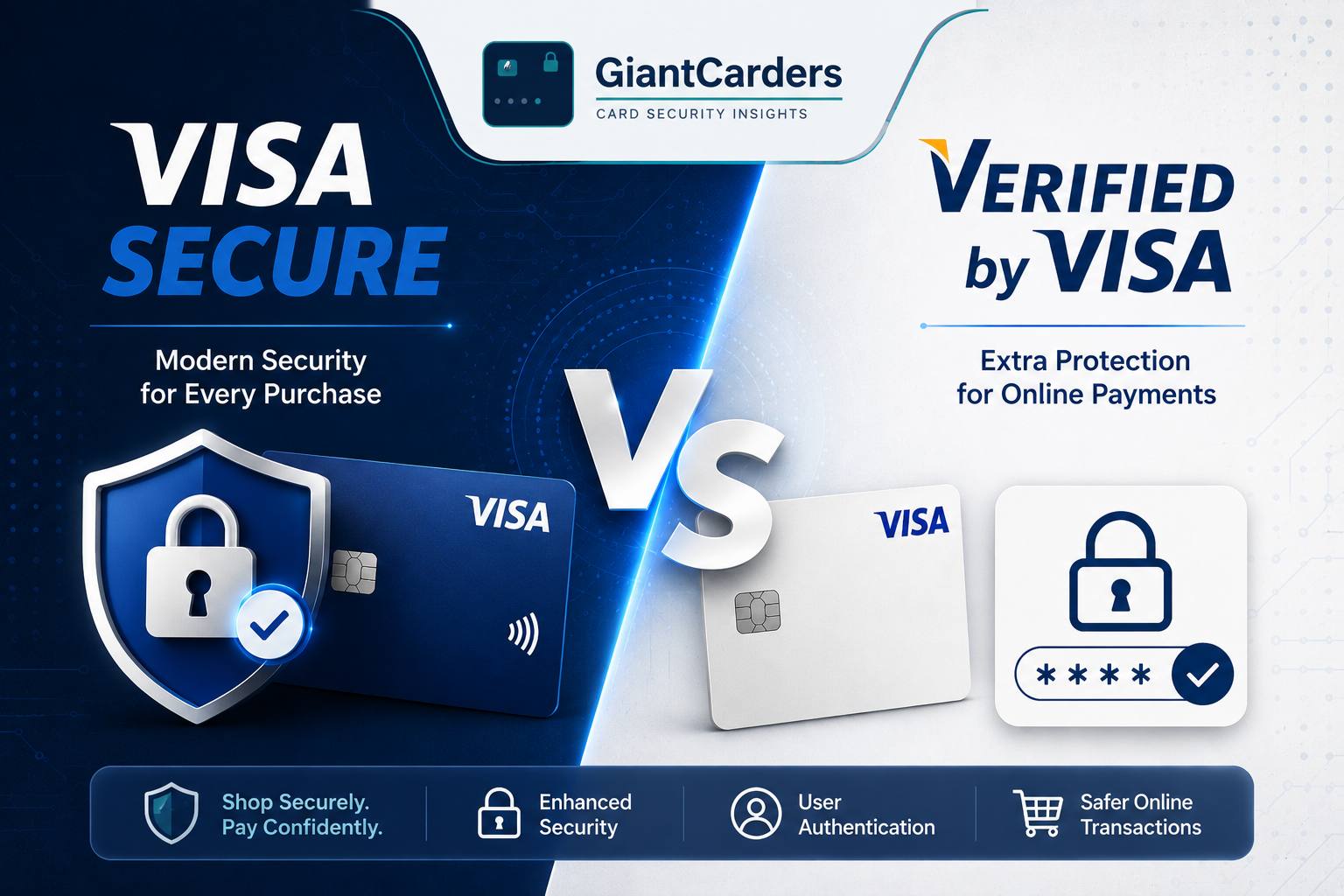
As card transactions continue to rise globally, ensuring online security has never been more critical. Visa has been at the forefront of this battle with two key innovations: Verified By Visa (VBV) and its next-generation successor, Visa Secure. These solutions provide advanced fraud prevention and peace of mind for both consumers and merchants in the digital age. In this guide, we’ll compare Visa Secure Vs Verified By Visa, explore how each works, and explain why upgrading to Visa Secure is a smart move for anyone serious about safe online shopping and 3D Secure authentication.
What Is Verified By Visa (VBV)?
Verified By Visa (VBV) is a 3D Secure technology that adds an extra layer of security to online credit card transactions. It requires cardholders to verify their identity during the purchase process, helping to prevent unauthorized use and reduce online fraud. Introduced in the early 2000s, VBV was a pioneering step toward making online payments more secure.
At its core, VBV ensures that the person making an online purchase is the legitimate cardholder—not just someone who has obtained the card details. Think of it as a digital handshake: a way of saying, “Yes, this is really me,” before the transaction is finalized How Verified By Visa Works
When you shop online, you enter your card details as usual. But before the transaction completes, VBV triggers a security check that verifies your identity—typically by asking for a password or answering security questions. This extra step is crucial because even if cybercriminals steal your card number, they are unlikely to have access to your personal verification details.
Benefits of VBV for Online Shopping
For consumers, VBV offers peace of mind and protection against unauthorized purchases. For businesses, it acts as a shield against fraudulent transactions and the chargebacks that often follow. By reducing card-not-present fraud, VBV not only protects your wallet but also fosters confidence in e-commerce.
VBV and Online Transactions
VBV is especially critical for businesses operating in a “card-not-present” environment—the backbone of modern e-commerce. As online shopping becomes the norm, protecting those transactions grows more urgent. If you run a business with both online and in-store sales, VBV is a strong choice for your digital channel.
Security Protocols Used by VBV
VBV is all about validation—confirming that the rightful owner of the credit card is indeed the one making the purchase. It uses EMV 3-D Secure version 1.0 protocols to prevent fraud and the financial fallout that can come with chargeback disputes.
Implementing VBV for Merchants
Getting started with VBV is straightforward. A conversation with your credit card processor is all it takes. An official Verified by Visa Merchant Implementation Guide is also available to help you through the process. The payoff? Enhanced protection against fraud, identity theft, and other cybercrimes.
Best Practices for VBV Merchants
Adding an extra step at checkout can increase cart abandonment rates. However, by guiding customers through the process and educating them on the benefits, you can mitigate this risk. Consider using user-friendly 3D Secure solutions that maintain security without creating friction.
Common Issues with VBV
VBV isn’t without its challenges. The extra verification step can frustrate customers, leading them to abandon their purchases. Fortunately, newer technologies like biometric authentication online are making the process smoother, reducing reliance on cumbersome passcodes.
TRENDING NOW: ULTIMATE LIST OF CARDABLE SITES
Is VBV Old? What’s the New Solution?
Technology never stands still. Enter Visa Secure—the next generation of fraud protection. Visa Secure builds on VBV’s foundation using the EMV 3-D Secure 2.0+ protocol to offer more advanced authentication methods, including biometric verification and AI-driven risk assessments.
What Is Visa Secure?
Visa Secure is an advanced online payment security protocol that uses EMV 3-D Secure 2.0 technology to authenticate cardholders during transactions. It reduces fraud while ensuring a seamless and secure checkout experience.
Visa Secure is Visa’s answer to the evolving landscape of digital payments. It takes everything that was good about VBV and enhances it with state-of-the-art technology. By using dynamic authentication, security measures adapt to each specific transaction—delivering just the right level of protection without overcomplicating the checkout process.
How Visa Secure Differs from Verified By Visa
This is the key distinction in the Visa Secure Vs Verified By Visa comparison. Where VBV relied on static passwords, Visa Secure uses biometric verification and risk-based assessments. This makes the system both more secure and more user-friendly. Imagine confirming a transaction with your face or fingerprint—that’s the world Visa Secure is building.
The Role of EMV 3-D Secure in Visa Secure
At the heart of Visa Secure is the EMV 3-D Secure 2.0 protocol. It assesses the risk of each transaction in real time, adding extra verification layers only when necessary. The result is a shopping experience that feels smooth but with security that gives you genuine peace of mind. For a deeper dive, read our guide on how 3D Secure authentication works.
Benefits of Using Visa Secure for Cardholders
For cardholders, Visa Secure is about confidence. With advanced authentication methods like fingerprint and facial recognition, you can shop online knowing your transactions are protected. It’s a significant leap forward from static passwords, offering both enhanced security and a streamlined experience.
Benefits of Visa Secure for Merchants
Merchants stand to gain greatly. By implementing Visa Secure, they reduce fraud risk and the financial losses that come with it. Plus, the seamless checkout experience builds customer trust, leading to higher conversion rates and fewer abandoned carts. It’s the modern standard for e-commerce security best practices.
How to Use Visa Secure as a Cardholder
The beauty of Visa Secure is that for most cardholders, there’s nothing extra to do. If your bank participates, Visa Secure is automatically enabled. When you make an online purchase, authentication happens behind the scenes—secure and hassle-free. This is a major advantage in the VBV Vs Visa Secure debate for everyday users.
How to Implement Visa Secure as a Merchant
For merchants, implementation is more involved but well worth the effort. You’ll need to integrate the EMV 3-D Secure 2.0 protocol into your payment systems, typically with help from your payment gateway or processor. Once live, Visa Secure protects against fraudulent transactions, offering a safer experience for everyone. Check with your payment processor about Visa Secure merchant setup options.
READ ALSO: WHAT ARE NON-VBV BINS?
Common Issues and Troubleshooting with Visa Secure
Even the best systems can have hiccups. Some users may find that verification prompts don’t appear when expected or that legitimate transactions are flagged. These issues are usually easy to resolve by following best practices or consulting your bank or payment processor.
Visa Secure vs. Other Payment Security Solutions
Visa Secure is part of a broader ecosystem of 3-D Secure solutions, including Mastercard SecureCode and American Express SafeKey. While each has strengths, Visa Secure stands out for its seamless integration and advanced authentication features. When comparing Visa Secure Vs Verified By Visa, Visa Secure clearly offers more modern protection.
Latest Insights and Innovations from Visa
Visa has been innovating in ways that enhance both security and user experience. As of late 2023, 65% of global transactions are contactless—a testament to the demand for secure, convenient payments. Visa Secure’s fraud detection analyzes over 500 data elements per transaction, a critical capability since online fraud is seven times more likely than in-person fraud.
Another groundbreaking feature is Visa’s Payment Passkey Service, which uses biometric data to confirm identities during transactions. Combined with Visa data tokens—allowing consumers to control and revoke data access through their banking apps—these innovations mark a shift toward a more secure, customized, and user-friendly future.
The Future of Online Payment Security with Visa Secure
Visa Secure is leading the charge, but this is just the beginning. As AI and other technologies evolve, so too will the tools we use to protect transactions. The future promises even more advanced fraud detection and authentication, ensuring Visa Secure remains at the forefront of this crucial industry.
Conclusion: Choosing the Right Security for Your Needs
Both VBV and Visa Secure play essential roles in the fight against online fraud. But if you’re looking for the most up-to-date protection, Visa Secure is your best bet. It’s the evolution of what VBV started—offering more advanced, streamlined security without the old headaches. Whether you’re a consumer protecting your purchases or a business securing your online storefront, understanding and implementing these tools will put you ahead in the ongoing battle against fraud in the digital age.




Related Articles
Non-VBV Cards Explained: The Truth About 3-D Secure and Payment Authentication
What Are Non-VBV Cards? A Complete Guide for 2026 If you’ve been...


Is This the Beginning of the End of the Internet?
Mauris mattis auctor cursus. Phasellus tellus tellus, imperdiet ut imperdiet eu, iaculis...

Leave a comment